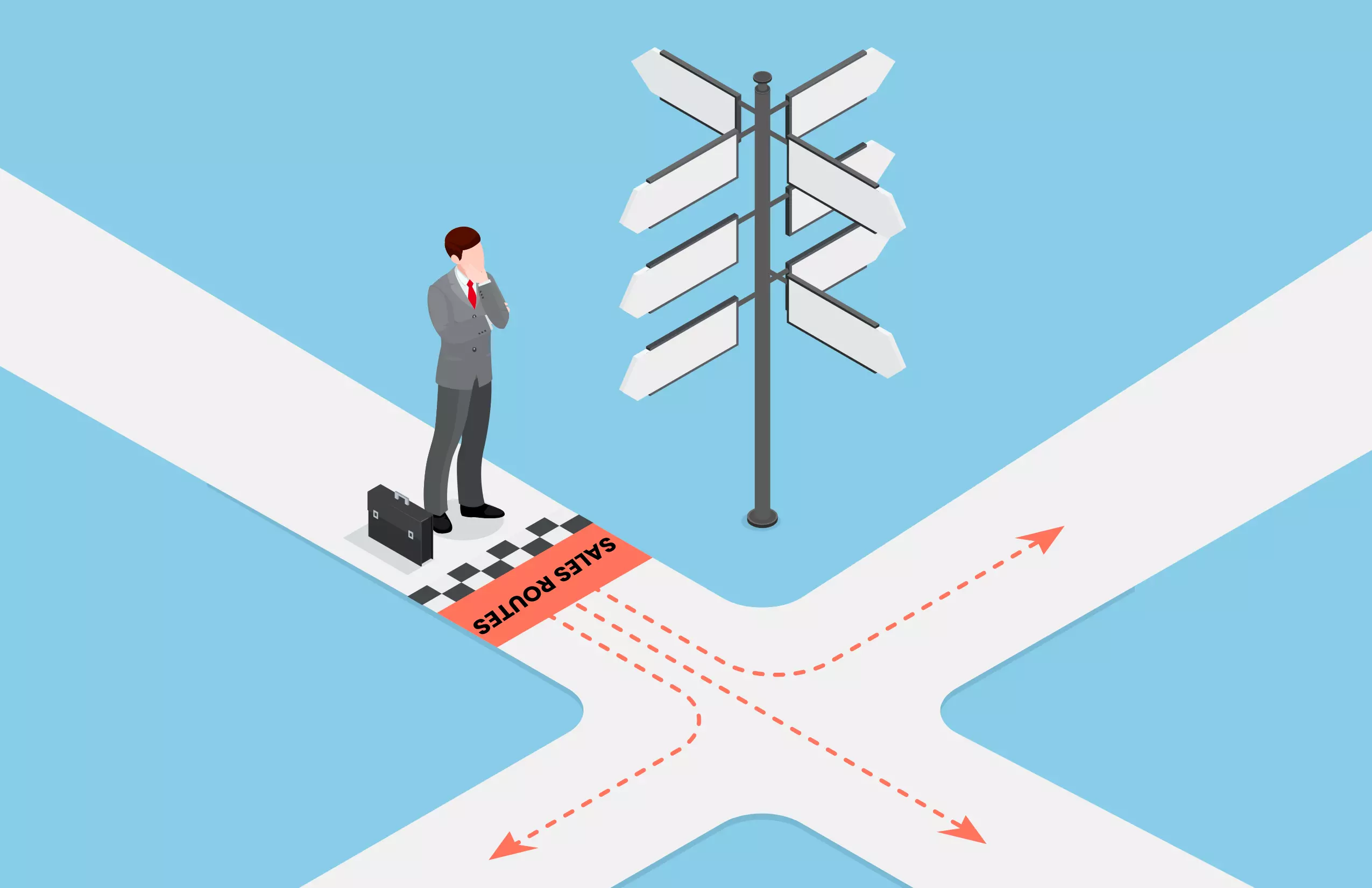
With six visits today, no desk, and ten minutes in the car between appointments, a field sales rep has to be prepared for every one. But what does “ready” actually mean?
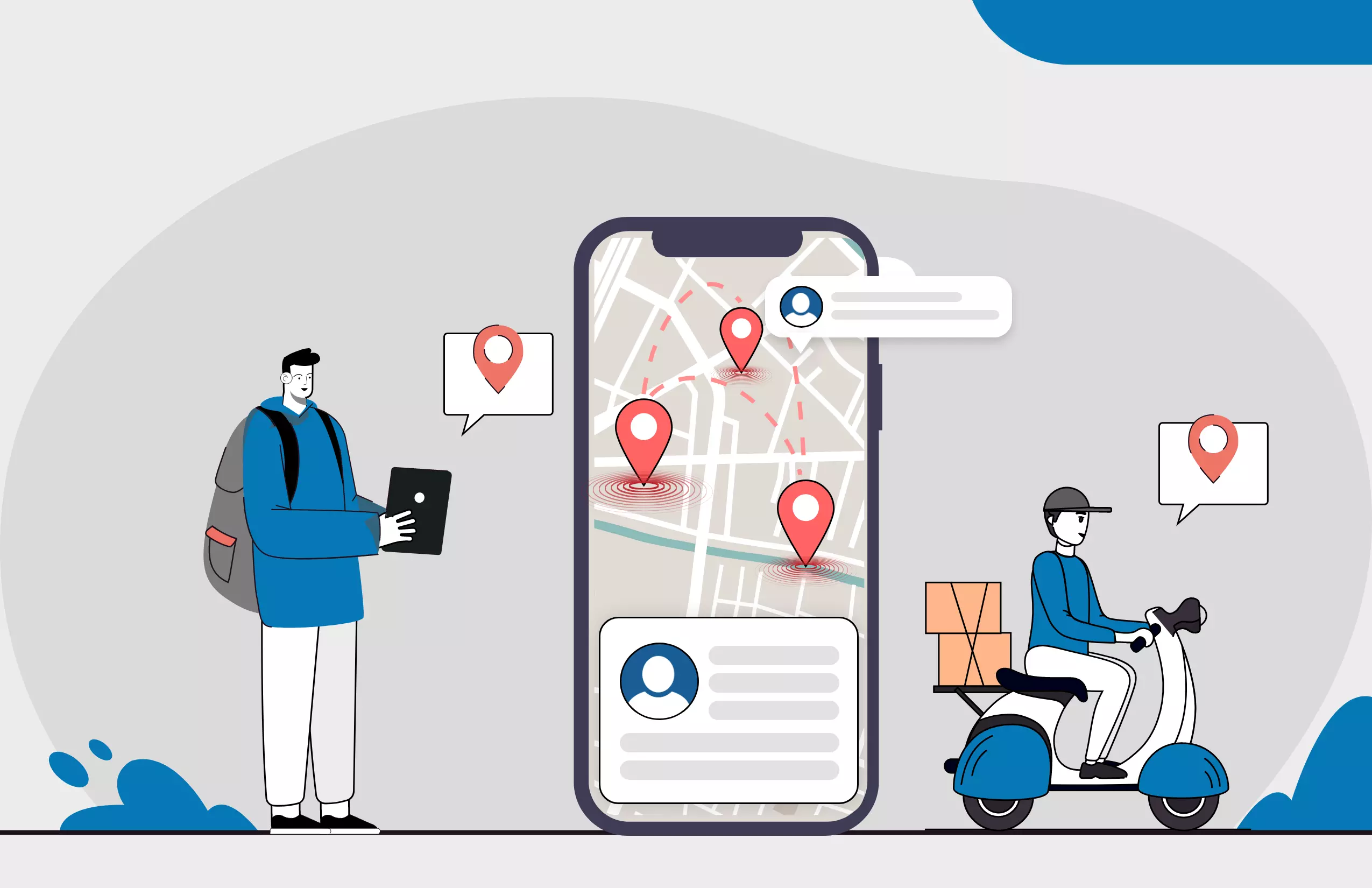
For many years, a rep’s memory was the only answer. Now, a briefing can appear on the rep’s phone.
In short, an AI sales assistant changes field sales call preparation by:
- Automatically loading account history
- Bringing up context from the previous visit
- Flagging what has changed
Prep shrinks from an evening task to a few minutes before the meeting.
This article covers what changes, what doesn’t, and what it means for field sales teams.
How Field Sales Call Planning Worked Before AI
Table of Contents

Most field sales teams did their pre-call planning in one of two ways.
The note-scroller reviewed the CRM the evening before.
The improviser walked in and figured things out on the spot.
Neither approach scales. The first depends on a rep’s discipline and free time, both of which run out after six visits. The second breaks down mid-meeting: a client asks about something already discussed, a price change never gets mentioned, or an open service ticket goes unaddressed.
Together, they lead to generic pitches, slower trust, and longer sales cycles.
Reps were never the problem. Manual preparation simply doesn’t scale across a team or a route.
What an AI Sales Assistant Genuinely Changes for Field Sales Reps

Forget the vague phrase “AI-powered insights” for a moment. Here is what actually changes for a field sales rep getting ready in a parking lot:
Account history is visible instantly. There are no months of notes to scroll through, because the latest order, conversation, and complaint appear within seconds.
Last-visit context resurfaces on its own. Before the next meeting, an unresolved query, a promise the rep made, or a growing concern comes back up.
Changes since the last visit are flagged. If the customer is the first to mention a new order, an open support issue, or a missed payment, the rep looks unprepared.
Next steps are suggested. For example: “This client often asks about delivery times. They haven’t ordered in six weeks, so it’s a good time to promote the new product line.”
| What used to happen | What AI changes |
| Rep tries to recall the last visit from memory | Account and visit history load automatically before arrival |
| Issues since the last visit surface at the next team check-in | New orders, overdue payments, open complaints are flagged ahead of time |
| Prep quality depends on the individual rep | Suggested next actions apply the same standard across the team |
| Visit notes get typed up later, if at all | Capture happens in the moment, on the phone |
The value of a field sales report also changes. After the meeting, it stops being a box to tick and becomes a starting point for planning the next visit. Instead of sitting in notes nobody opens, a rep’s history becomes searchable.
Lystloc’s AI layer, LYRA AI, is one example of this change. Before a meeting, it shows a rep’s visit history and recent account activity on their phone.
A Dealer Visit, Before and After
Five minutes before a planned visit, imagine an agri-input rep standing outside a fertilizer and seed dealer’s store.
Without AI preparation, the rep walks in and relies on memory. The dealer mentions that last month’s pesticide supply was delayed. The rep says they will “check and get back,” but has no information.
With AI preparation, the rep’s phone already shows:
- The dealer’s seasonal purchase pattern
- A note about the delayed pesticide delivery from the last visit
- A change to the payment terms agreed last month
- A sample of a new seed variety the rep promised to supply
The rep starts with the delivery issue, confirms it has been fixed, hands over the sample, and moves on to the order for the coming season. None of it was memorized. It was already waiting on the phone.
What Field Sales Managers Need to Know
The goal is not to improve your best rep, who was probably already well prepared.
It is about everyone else: new reps, reps in unfamiliar territory, and reps handling forty accounts instead of fifteen. With AI-assisted preparation, every rep starts with the same baseline context, so the customer gets a consistent experience no matter who covers the route this quarter.
That makes the problem less about output and more about coverage. When every rep arrives with the same baseline, the pipeline becomes more predictable and contract reviews hold fewer surprises.
How to Improve Sales Call Preparation Without Changing Your Stack
Nothing needs to be rebuilt to see what better preparation looks like.
- Start with previous visits. Getting account context onto a rep’s phone before a meeting is usually the most useful first step.
- Review your past visit records. AI can’t surface data that was never captured, so tracking field visits is essential.
- Keep note-taking easy. Short, consistent visit notes captured in the moment beat long reports written days later.
Explore LYRA AI for Your Field Sales Team
This is where a solution like LYRA AI comes in. It shows a rep’s visit history and current account activity on their phone before a meeting, turning visit history into a format a rep can use in the ten minutes before walking in. Getting visit history into this usable form is nearly always the first step in evaluating field force management software, also called field sales management software, more broadly, which is a significant decision worth its own research.
Start your free trial of Lystloc’s field sales app now!