There’s sales leaders, slight difference between being actually productive and showing productivity.
Imagine this: It’s Monday morning, and your inbox is full. You reply to every email within minutes, jump on calls back-to-back, and update your project tracker religiously.
By the end of the day, it looks like you’ve accomplished your to-do list. But is it?
You may’ve untouched the proposal you needed to finish or the client issue that needed solving on priority – you didn’t put actual effort where it could have driven efficient results.
Exactly this is what many corporate employees face daily. They’re productivity measures on how long they’re active, instead of what they’re doing proactively.
Probably, the same scenario you’ve seen in your companies as well. So we’ve crafted this blog to give you a reality check on corporate productivity challenges.
What Makes a Corporate Workplace Productivity Really Challenging?
Table of Contents
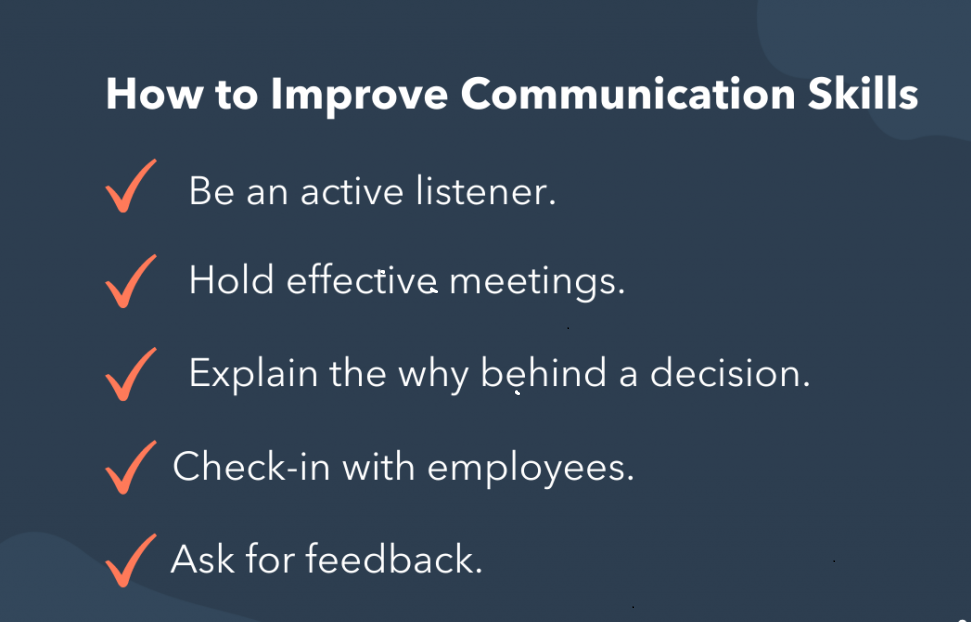
1. Poor Communication
How often do you really communicate with your employees and how often?
Does it actually help them work better, or slow them down?
Did you think about it? If not, imagine: on one hand, your employees need clear guidance, genuine feedback, and more clarity to align with your long term goals. On the other hand, you might send endless emails or ping them very frequently to check in. It makes them drained and distracted.
That’s why even reports show employees spend roughly 28% of their work week managing emails (According to McKinsey). Thus, half of the communication got lost in email threads. Not worth it really, as it became a workplace productivity barrier.
2. Lower Employee Engagement
Day by day, employee engagement decreases. What stood at 23% has now dropped to 21% in 2024, a Gallup study showed. That hits one of the biggest employee productivity problems.
Do you know why? When your employees feel unheard, they don’t feel that their work matters. When they live in a biased workforce culture, they easily give up. Most importantly, they show a lack of interest in taking initiative and ownership, and their delivery of quality work eventually dropped.
On the flip side, if the same employees are engaged more, you can see 18% higher productivity, which further impacts on driving 23% higher profitability. Think now, which move made your employees disengaged?
3. Unnecessarily Too Many Meetings
Having open and transparent discussions in meetings is part of modern work. But is it truly efficient?
Research showed, in 2019, that just 9% non-materials spent more than 15 hours a week in meetings. But the growing graph hits 12% in 2023.
Why? On one hand, many discussions could simply be shared through clear emails. On the other hand, if meetings are necessary, they shouldn’t be scheduled on the fly – or worse, disguised as “brainstorming” while wasting time.
When that happens, you unknowingly disrupt employees’ deep work zone, frustrate them, and push them further from real productive outcomes.
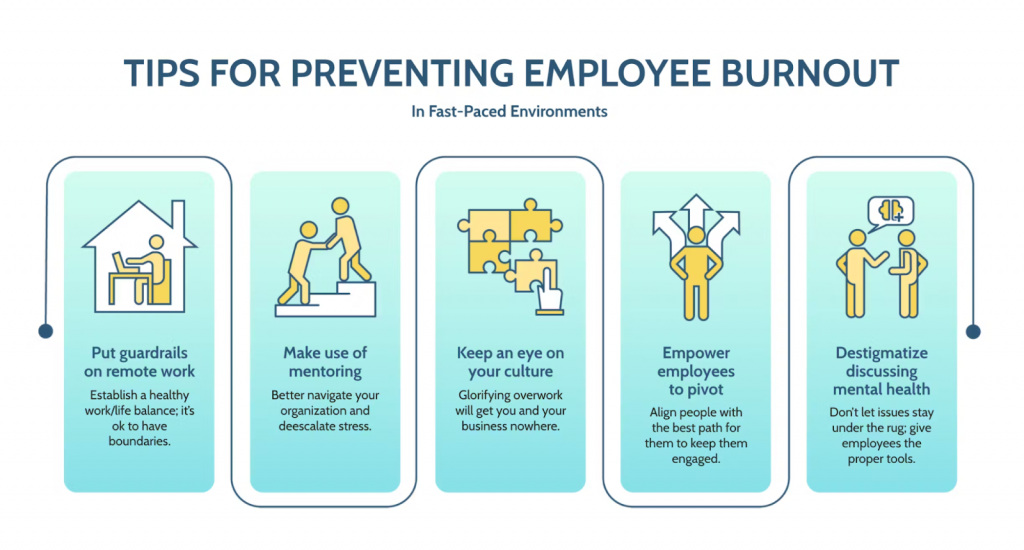
4. Load of Overwork & Burnout
Today’s corporate world wants its employees to be robots.
They swap responsibilities often without discussion, pile on extra tasks, and expect people to deliver far beyond their roles.
And it’s not always about urgency or confidence in someone’s skills – it’s more often about filling gaps caused by poor planning, understaffing, or the pressure to “do more with less”.
The result? Employees stretch themselves thin, slowly burn out, and make more mistakes than one can expect.
According to WHO, burnout is now recognized as an occupational phenomenon, with stress, exhaustion, and disengagement costing companies billions in lost productivity each year.
Is your company paying it too? This is one of the most overlooked remote work productivity challenges when hybrid or distributed teams face unclear boundaries.
5. Multitasking & Restrictions
Multitasking may sound like corporate employees stepping into a fast-paced world – but it’s not really as efficient as you think. It’s undoubtedly one of the biggest red flags for higher employee productivity.
Put yourself in your employees’ shoes: You’re jumping between meetings, follow-ups, reports, strategies, and dashboards all at once. You’re looking busy on the surface, but where it takes you is the real question.
Probably nowhere because you just chase everything other than achievement. Eventually, you lose productivity by nearly 40%. Moreover, you’ve gone through lots of restrictions – layers of approvals, rigid processes, and limited ownership.
You may feel your brains aren’t wired to handle too many complex activities simultaneously. This is exactly what your employees feel when they feel lost. With growing AI on corporate productivity, organizations are now rethinking how to reduce distractions and streamline processes better.
6. Lack of Recognition or Reward
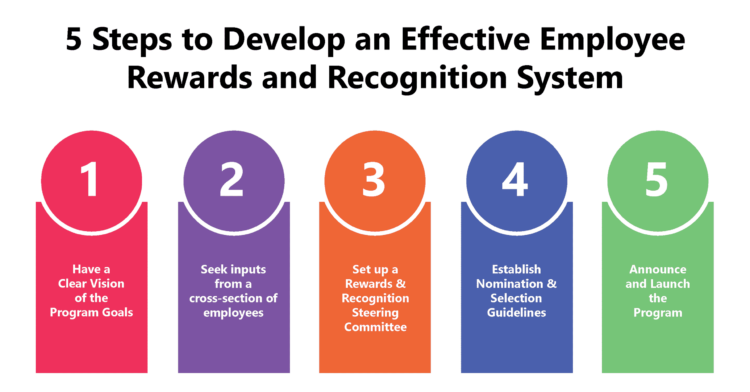
Who doesn’t want to be recognized – publicly or officially? You, I, all – everyone. And, your employees want it too. But are they respected for their contribution?
Just look around. Many times, your employees’ effort goes unnoticed, unacknowledged. While they don’t always want a grand celebration, they just expect a small token of appreciation. But most corporate leaders fail here.
The most trusted and experienced employees pool back with lower morale. And eventually, you fail to build loyalty, drive higher performance, and create a stronger culture of productivity.
What Can You Do to Break the Corporate Workplace Barrier? Make it Better!
We know, you can’t completely deny the fact that more or less your underproductive corporate culture looks the same. But don’t worry, there are solutions to be discovered. What can you do?
- Simplify communication & collaboration: Instead of having scattered communication in multiple places like email threads, WhatsApp chats, or calls, make them all under one roof. And, make interaction shareable and traceable.
- Follow up less: If you’ve an employee tracking application, make it work to avoid multiple meetings, follow-ups, micromanagement, and chasing your employees after they log out. Get the daily timestamped work report to avoid confusion.
- Value individual and team contributions: Your employees are the backbone of your company. If you can show empathy and support, recognize employees’ effort, and celebrate every small win and reward fairly, they’ll give you more in return. It’s as simple as that.
- Address fair distribution of work: You can build flexible task management by seeing the availability of your employees on a particular day. Know their to-dos and priorities, hand off extra tasks mindfully, avoid overlapping tasks, and overwhelming your employees.
- Encourage autonomy: You may have multiple hierarchy ladders in your organization. But don’t make them take a lot of hours to make a simple decision. Instead, you can control the level while customizing it for different requirements.
Let’s Wrap It Up!
If you’re the corporate leader looking to find the best solution to keep your employees engaged and boost their morale, Lystloc can be your choice in the first place.
Do you know why? From efficient task management to customizing their work, controlling hierarchy level, and building an end-to-end transparent and verified work culture – you can get it all. It has more!
So why not take the first step by booking a demo and see how it aligns with your goals?
Booking Your Demo